Led by Congress leader Rahul Gandhi and party president Mallikarjun Kharge, opposition leaders marched through central Delhi as thousands of supporters joined the protest. A petition filed by opposition leaders seeks a halt to the ongoing Special Intensive Revision (SIR) of electoral rolls, an audit of deleted names and safeguards against the removal of eligible voters.
On October 10, police blocked a planned CJP demonstration at Jantar Mantar, citing public-order concerns. Around 7,000 people were detained, according to figures cited in reports. Smaller protests continued on Sunday, prompting further detentions. The Supreme Court stressed that peaceful protesters could not be detained unlawfully and called for normal Metro services, subject to lawful restrictions.
The scale of the security operation brought parts of Delhi to a standstill. Tens of Thousands of security personnel were deployed, roads were barricaded and access to several Metro stations was restricted. Six stations in central Delhi were closed again on Monday as opposition leaders prepared for their march.
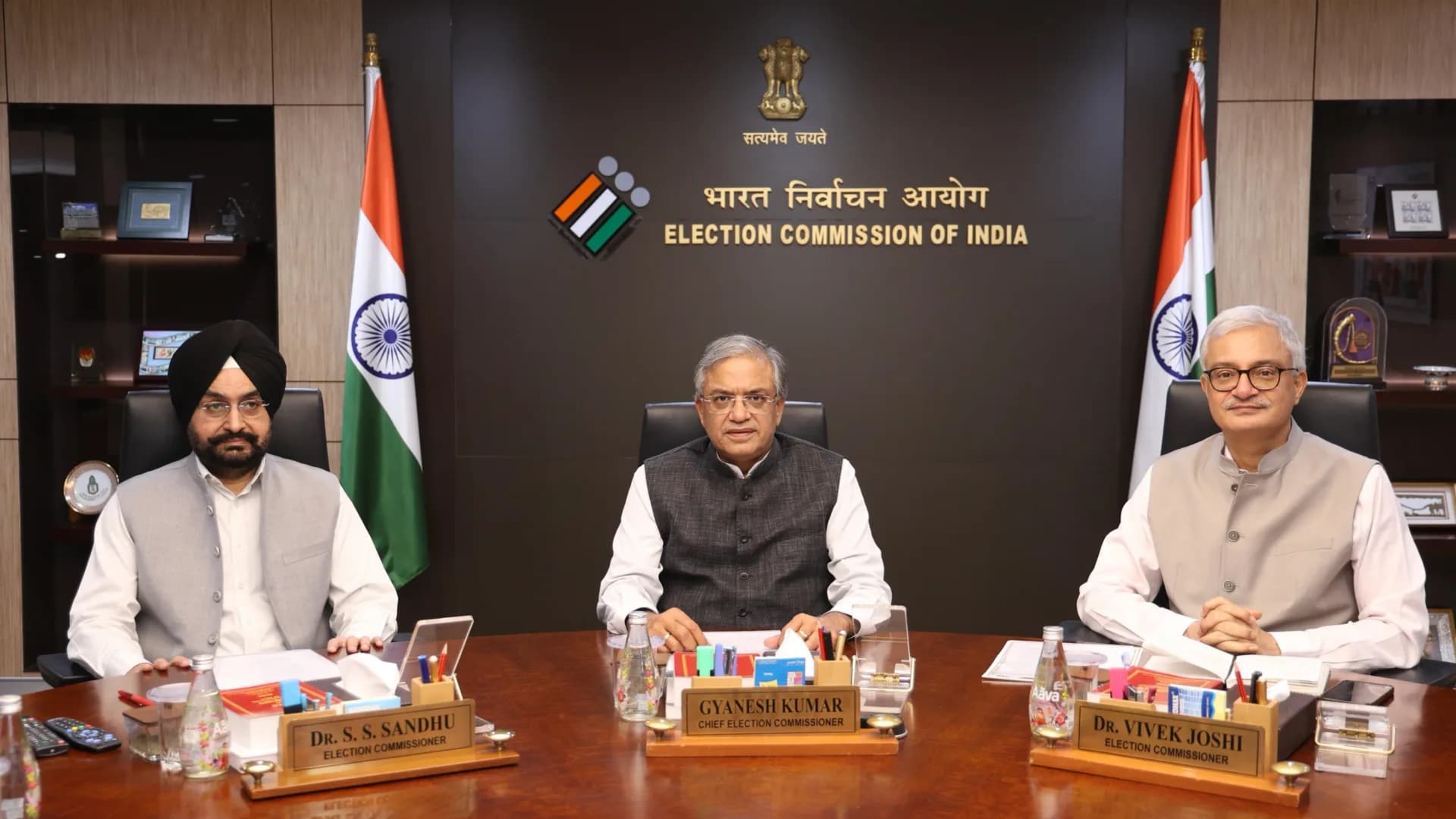
Questions over the process intensified after The Indian Express reported in September that fellow election commissioners Sukhbir Singh Sandhu and Vivek Joshi had raised objections on at least 14 occasions over 10 months on issues involving voter registration, deletions and access to electoral databases. The commission acknowledged the communications but said its decisions had been unanimous.
The Supreme Court now faces a crucial test- whether the Election Commission's decisions withstand judicial scrutiny and whether safeguards exist to prevent eligible voters from being wrongly excluded. The filing of the petition does not automatically suspend the revision. The court must first decide whether to seek the Commission's response, grant interim relief or order a deeper examination of the process. Its eventual ruling could shape not only this dispute but also public confidence in how India prepares its electoral rolls.